
Why Choose Modular Storage Solutions
Table of Contents
- Why Modular Storage Solutions Matter for Modern Homes
- Modular vs Static Storage: Flexibility That Grows With You
- Modular Storage for Small Spaces: Maximizing Every Square Foot
- How to Design a Modular Storage System That Works
Last Updated: August 21, 2026
Why Modular Storage Solutions Matter for Modern Homes
Your bedroom closet overflows. Your garage has become a graveyard of forgotten items. The pantry barely closes. Most homes fail because they treat storage as fixed, but life changes: new hobbies, growing families, shifting work patterns (peer-reviewed research). Modular storage solutions adapt to your actual needs instead of locking you into one configuration. Unlike static shelving, modular systems offer flexibility, scalability, and reconfiguration without starting over. The real advantage is designing a system that works with you, not against you, whether in a tiny apartment or sprawling house, you start small and expand as needed.
Modular vs Static Storage: Flexibility That Grows With You
Static shelving stays put once installed. It works only if your storage needs never change, but they always do. Modular storage solutions are built for reconfiguration. You adjust shelf heights in one-inch increments, add or remove components, and reorganize without professional installation (ansi.org). A modular system holding winter gear today can hold toys tomorrow. The framework stays; everything else adapts.
Static systems require near-impossible planning upfront. You guess at shelf spacing and live with consequences. Modular systems let you experiment and optimize based on what you actually store, not predictions. This flexibility is why modular systems outperform static ones in space use (peer-reviewed research).
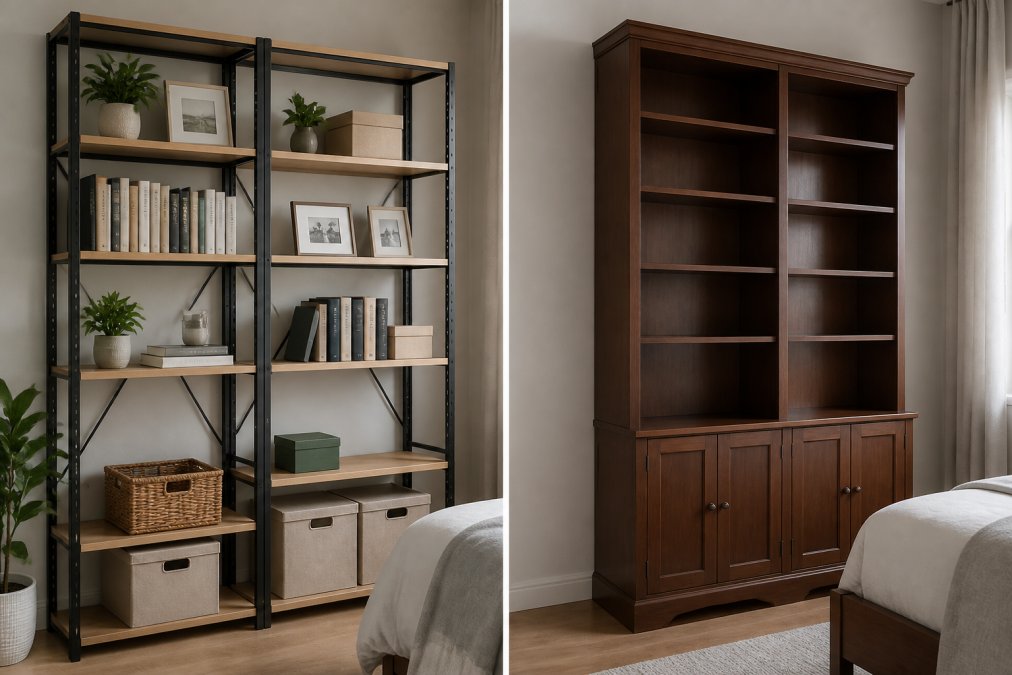
For small homes, reconfigurability is essential. A static system in a 400-square-foot apartment is permanent. A modular one remains flexible.
Modular Storage for Small Spaces: Maximizing Every Square Foot
Small spaces demand ruthless efficiency. Every inch of vertical space matters. Modular storage solutions shine because they customize for your exact footprint. A modular wire shelving system fits awkward closet corners. Cube storage units stack or arrange side-by-side to match wall dimensions. You build a solution that actually fits, not a one-size-fits-all product.
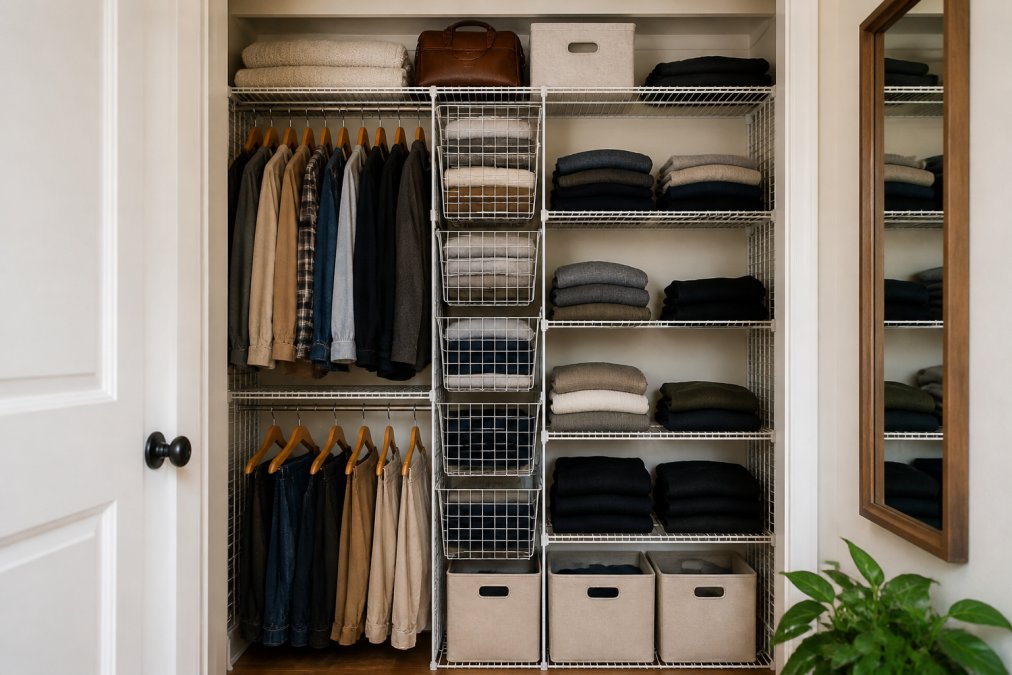
When your storage system matches your space exactly, you spend less time searching. Items stay accessible because the system is designed around your actual layout. Modular storage also handles scalability: start with two units, add a third when needed. This costs less upfront and lets you invest gradually.
How to Design a Modular Storage System That Works
Start by measuring your space precisely, width, height, depth, and obstacles like outlets or baseboards. Modular systems work within constraints, not against them.
Next, inventory what you're actually storing now: books, tools, seasonal items, supplies. Group by category and count. This tells you real shelf space needs and heights. Choose components based on load requirements: wire shelving for heavy items, laminated wood cubes for lighter storage and visual appeal, fully-welded steel cabinets for heavy-duty industrial use. Mix component types across rooms.
Finally, build in growth room. Don't fill every inch immediately. A system that's 80% full is more functional than one completely packed.
The best storage system isn't the one that holds the most stuff, it's the one that adapts when your life changes. Modular storage solutions deliver flexibility without the permanent commitment of static alternatives. Whether organizing a small apartment or maximizing a garage, reconfiguration without replacement makes modular systems worth the investment.
Modernstylliving offers a curated selection of modular storage solutions designed for modern homes of any size. From adjustable shelving systems to customizable cube storage, find quality products combining style with practical functionality. explore modular storage options that match your needs.
Frequently Asked Questions
Q: What are the main benefits of modular storage solutions?
A: Modular storage solutions offer reconfigurability, allowing you to adjust shelves and components as your needs change. They maximize vertical space utilization and provide better workflow efficiency than static alternatives. The modular architecture scales with your home, add units as needed without replacing the entire system. They also deliver superior space optimization compared to traditional fixed shelving, making them ideal for evolving storage demands.
Q: How do modular storage solutions compare to traditional static shelving?
A: Static shelving is fixed in place and offers limited adaptability, while modular storage lets you reconfigure shelves, add or remove components, and adjust height increments. Modular systems provide better scalability for future growth and accommodate changing organizational needs. Static shelving costs less upfront but offers less flexibility. Modular solutions deliver higher operational productivity through customizable configuration and superior space-saving potential, making them better for homes that evolve over time.
Q: Are modular storage systems worth the investment for small spaces?
A: Yes. Modular storage for small spaces maximizes floor space optimization by using vertical space efficiently and offering cube-based or adjustable-shelf designs that fit tight areas. Their reconfigurability means you adapt storage to your exact layout without wasting room. While initial cost may be higher than basic shelving, the long-term investment pays off through better space utilization, improved accessibility, and the ability to reconfigure as your needs change without replacing everything.
This article was written using GrandRanker